Loading...
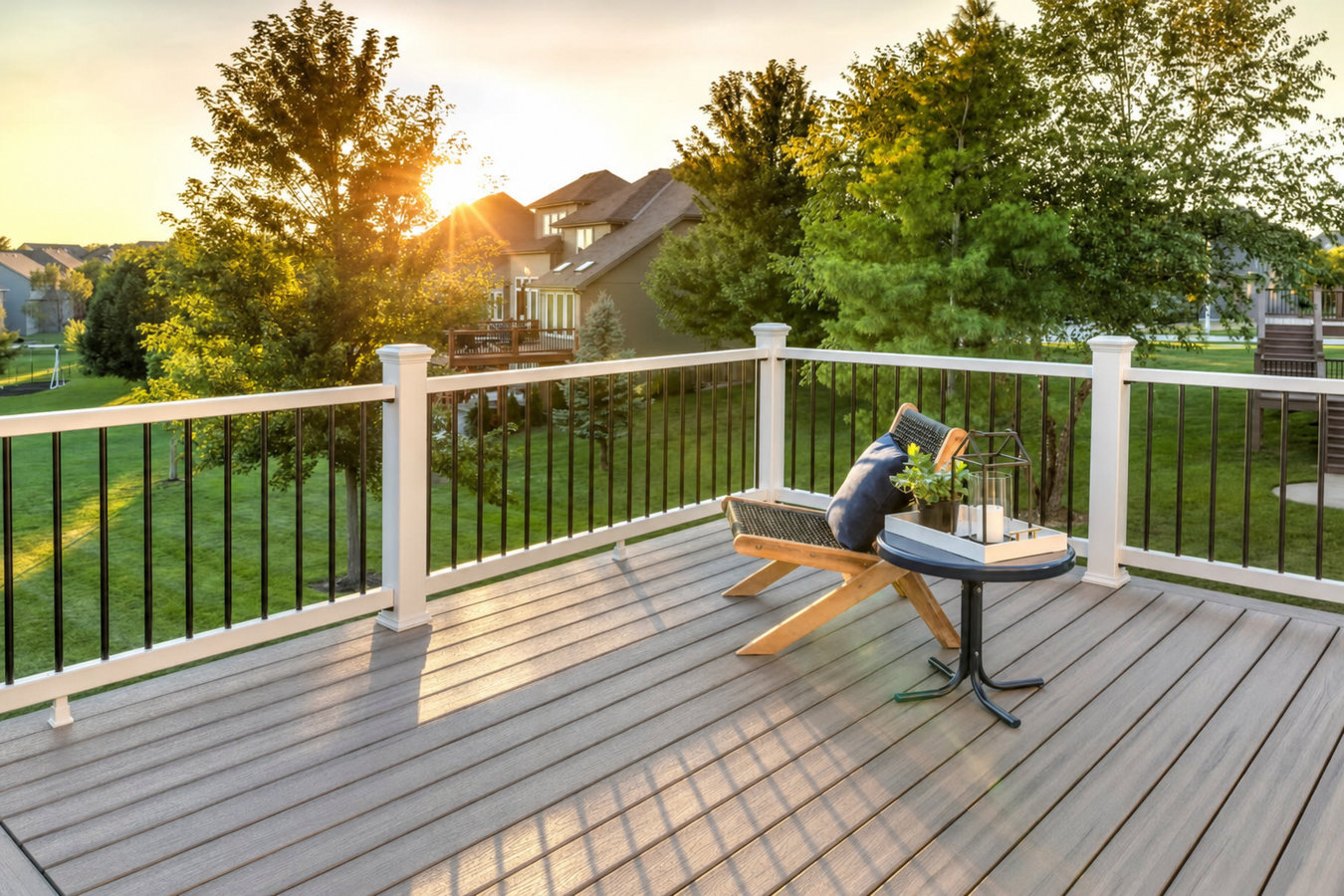
Deck Railing Installation in Lauderhill FL - Safe, Permitted, Built for the Climate
A loose or deteriorating railing is a safety problem and a code problem. We install deck railings in Lauderhill that meet Florida requirements, hold up in South Florida's heat and humidity, and pass Broward County inspection.
- Licensed and Insured
- Locally Owned
- Free Estimates
- Satisfaction Guaranteed
What does deck railing installation actually involve in Lauderhill?
Deck railing installation in Lauderhill, FL involves removing old railing if present, anchoring new posts securely into the deck frame, attaching top and bottom rails, and installing balusters to code - most residential jobs are completed in one to two days once the permit is in hand.
The work is straightforward when the underlying deck structure is in good shape. When it is not - and on homes built in the 1970s and 1980s in Lauderhill, hidden rot at post attachment points is more common than most homeowners expect - a good contractor will flag those problems before starting rather than installing a new railing over a compromised frame. The railing system only works as a safety barrier if the posts are anchored into something solid. Projects that also involve deck repair or a full new deck can be handled through our custom deck design and build service, so everything is done under one contract.
In Lauderhill, adding or replacing a railing on an elevated deck almost always requires a Broward County building permit. That process adds a week or two before construction can begin, but it also means a county inspector verifies the railing was built correctly - which is a meaningful protection for your family and your home's value.
How do you know if your deck railing needs to be replaced?
Railing wobbles when you push on it
Stand at a post and push it firmly with both hands. If it moves, rocks, or feels loose at the base, the railing is no longer doing its job. In South Florida's heat and humidity, wood posts can rot at the base where they meet the deck surface - which is often where the wobble starts, even if the post looks fine from the outside.
Visible cracks, splintering, or soft spots
Lauderhill's combination of intense sun, frequent rain, and high humidity is hard on wood railings. Deep cracks running along the grain, gray or black discoloration, or soft spots where the wood feels spongy under pressure mean the material has broken down past the point where paint or stain will fix it. Replacement is the safer and more cost-effective choice at that stage.
Railing is shorter than waist height on an elevated deck
If your deck is more than two and a half feet off the ground and the railing only comes up to mid-thigh, it does not meet current Florida safety requirements. This is especially common in older Lauderhill homes where the original railing was built to standards that have since been updated. A railing that is too short is a fall hazard for adults and a serious risk for children.
Baluster gaps wide enough for a child to fit through
The vertical pieces between the rails should be spaced closely enough that a four-inch sphere cannot pass through - this prevents small children from slipping through or getting stuck. If you can fit your fist through the gap easily, the spacing is too wide. This is a common issue on older Lauderhill decks and one that a contractor can correct straightforwardly.
What we offer for deck railing installation in Lauderhill
We install deck railings in aluminum, composite, and pressure-treated wood - and we give you an honest recommendation on which material makes the most sense for your situation. Aluminum is rust-resistant, needs almost no maintenance, and holds up well against the wind-load requirements Broward County enforces for hurricane preparedness. Composite railings look like wood without absorbing moisture, which means no cracking, splitting, or annual refinishing in Lauderhill's wet summers. Pressure-treated wood is the most affordable option upfront, with the understanding that sealing it every one to two years is what keeps it performing well in this climate. Every railing we install includes stair railing on any stair flights - this is a code requirement and one that homeowners sometimes overlook until a contractor points it out. Doing both at the same time saves on mobilization and ensures everything matches.
For homeowners planning a new deck or replacing a badly deteriorated one, our composite deck installation service can be paired with railing installation under one contract, so the materials match and the permit covers both scopes of work. We also assess the condition of the existing deck structure before any railing work begins - if there is rot or weakness at the post attachment points, we flag it before it becomes a problem.
Aluminum railing systems
Best for homeowners who want a low-maintenance option that handles South Florida's salt air, rain, and humidity without rusting or requiring annual refinishing.
Composite railing systems
Suited to homeowners who want the look of wood with far better performance in wet, sunny conditions - no splintering, no swelling, and minimal upkeep year to year.
Pressure-treated wood railing
A solid choice for budget-conscious homeowners who are committed to sealing and maintaining the wood regularly to hold up in Lauderhill's climate.
Stair railing installation
Required by code on any stair flight attached to a permitted deck - we install graspable stair railings that run the full length of the stairs and match the deck railing design.
Why deck railing installation in Lauderhill, FL requires local know-how
Lauderhill sits in Broward County, where average humidity stays above 70 percent for most of the year and summer temperatures regularly top 90 degrees. That combination accelerates the breakdown of wood railings - paint peels, wood swells and cracks, and untreated surfaces can begin to rot within a few seasons. What this means practically is that material choice matters more here than it would in a drier climate, and a contractor who recommends a wood railing without discussing the maintenance commitment in this climate is not giving you the full picture. Florida's building code also includes specific requirements for how deck railings must be anchored because of hurricane-force winds - in Broward County, contractors must account for high wind speeds when sizing and spacing posts and selecting fasteners. Homeowners in Fort Lauderdale and Oakland Park face the same requirements, and we build to those standards across every project we take on in the area.
Many of Lauderhill's homes were built between the 1970s and 1990s, and some of the decks from that era were built to standards that are no longer considered adequate. When a contractor removes an old railing on one of these homes, they sometimes find that the underlying deck frame or the boards where posts attach have rotted from years of South Florida humidity. A large share of Lauderhill's neighborhoods are also HOA-governed, and many associations have rules about what railing styles, colors, and materials are allowed on the exterior of a home. Choosing a design that your association will approve before materials are ordered saves you the frustration of having to redo the work.
What happens when you call for deck railing installation in Lauderhill?
1
First call and quick initial questions
We ask about the approximate length of your railing, whether your deck is elevated, and whether you have stairs. Some contractors can give a ballpark range over the phone from this information. Either way, there is no pressure to commit - we aim to respond to all inquiries within one business day.
2
On-site measurement and written proposal
We visit your home, measure the deck, assess the condition of the existing structure, and talk through material options. We mention any HOA requirements to consider and explain the permit process. You receive a written proposal breaking down materials and labor before any commitment is made.
3
Permit application filed on your behalf
For most elevated decks in Lauderhill, we submit the permit application to Broward County before any work begins. This typically takes a few business days to a couple of weeks. You do not need to visit any office or fill out any forms - we handle the paperwork entirely.
4
Installation, inspection, and final walkthrough
Most residential railing jobs are completed in one full day. After installation, a Broward County inspector verifies the railing meets permit requirements. We coordinate that appointment and do a final walkthrough with you once it passes - including how to care for the new railing and a copy of the passed inspection for your records.
Ready to replace or upgrade your deck railing in Lauderhill?
We handle the permit, do the installation in a single day for most projects, and give you a written quote before any work begins. Call us or fill out the form and we will get back to you within one business day.
(754) 306-0957Why Lauderhill homeowners call Lauderhill Fence & Deck for deck railing installation
Permitted work with documented inspection sign-off
Every railing we install in Lauderhill is permitted through Broward County and signed off by a county inspector. You receive a copy of the passed inspection, which protects you if a buyer's inspector raises questions about the work when you eventually sell. Unpermitted railing work is one of the most commonly flagged issues in Broward County home sales.
Deck structure assessed before railing goes in
We check the condition of the deck frame and post attachment points before installation begins. On older Lauderhill homes - many built in the 1970s and 1980s - hidden rot at these locations is common and needs to be addressed before a new railing can be properly anchored. We flag it early, not after the railing is already in. Broward County Building Division inspectors check this during the permit process as well.
Written, itemized quote before any work starts
We provide a written, itemized proposal before the permit is even filed, and we walk you through every line so you understand what you are paying for. There are no mystery charges at the end - the number we agree on is the number on your invoice.
HOA-compatible designs selected upfront
Many Lauderhill neighborhoods are governed by homeowners associations with rules about railing styles, finishes, and colors. We are familiar with the common HOA requirements in this area and help you choose a design that will get approved quickly - so you are not stuck waiting on a re-submission or modifying finished work.
A properly anchored, permitted, and inspected railing is not just a formality - it is what keeps your deck safe during hurricane season and what gives buyers confidence when you go to sell. Those are the standards we hold every project to.
Frequently asked questions
Related services
Custom Deck Design and Build
If your deck structure needs replacing entirely, we design and build from scratch - including the railing - under one contract and one permit.
Learn MoreComposite Deck Installation
Pair a new composite deck with matching composite railing for a finished look that requires minimal upkeep in South Florida's climate.
Learn MoreSchedule your deck railing installation in Lauderhill today
Permit season in Broward County fills up fast - lock in your start date before the summer storm season arrives. Call us or request a free estimate now.